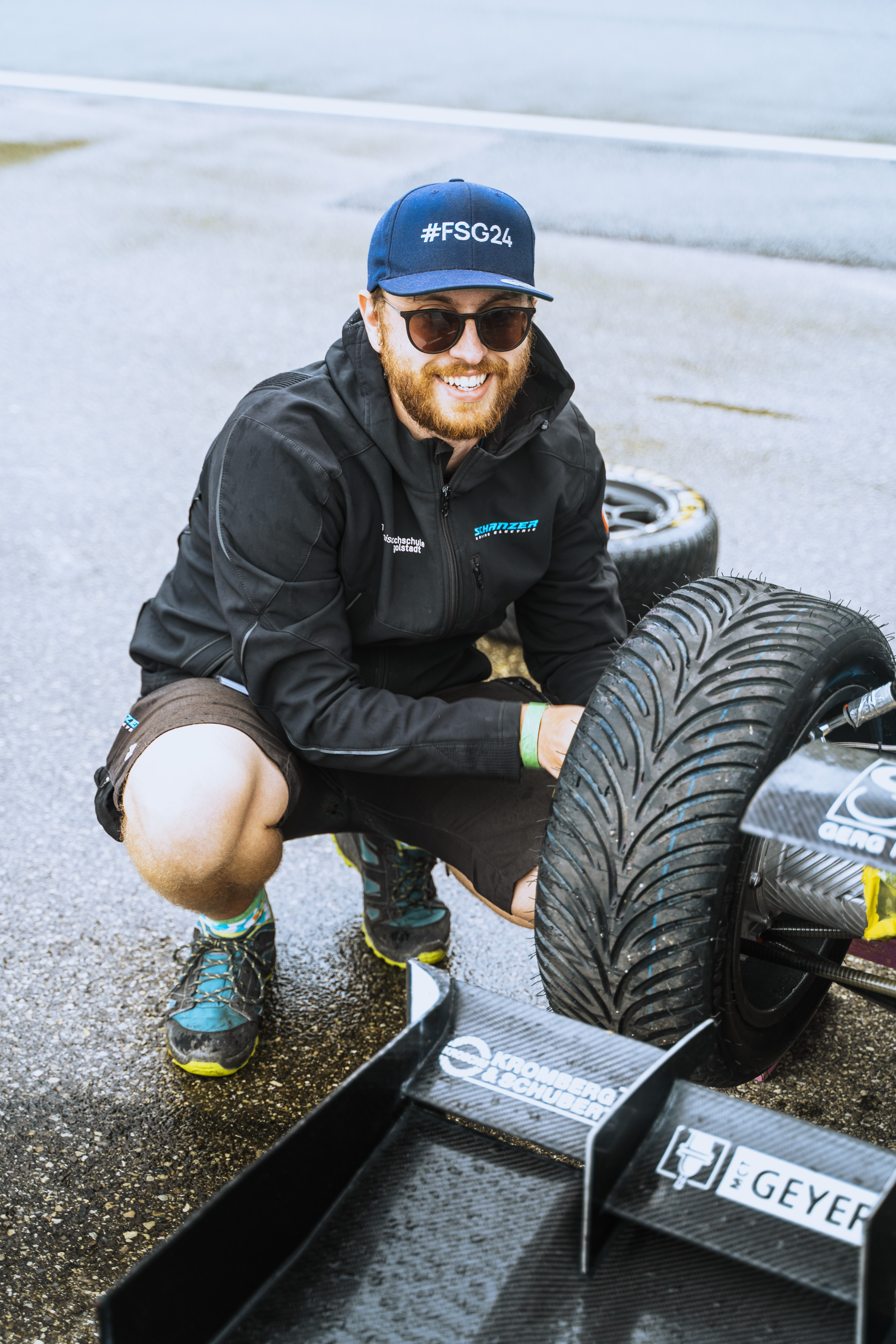
Software and systems work for a Formula Student Driverless racecar, spanning ROS 2 integration, localization, mapping, perception interfaces, and embedded deployment.
Overview
This project covers the software stack around autonomous racing: turning sensor data into a usable vehicle state estimate, maintaining a map of the cone-defined track, and deploying the stack on embedded compute hardware under competition constraints.
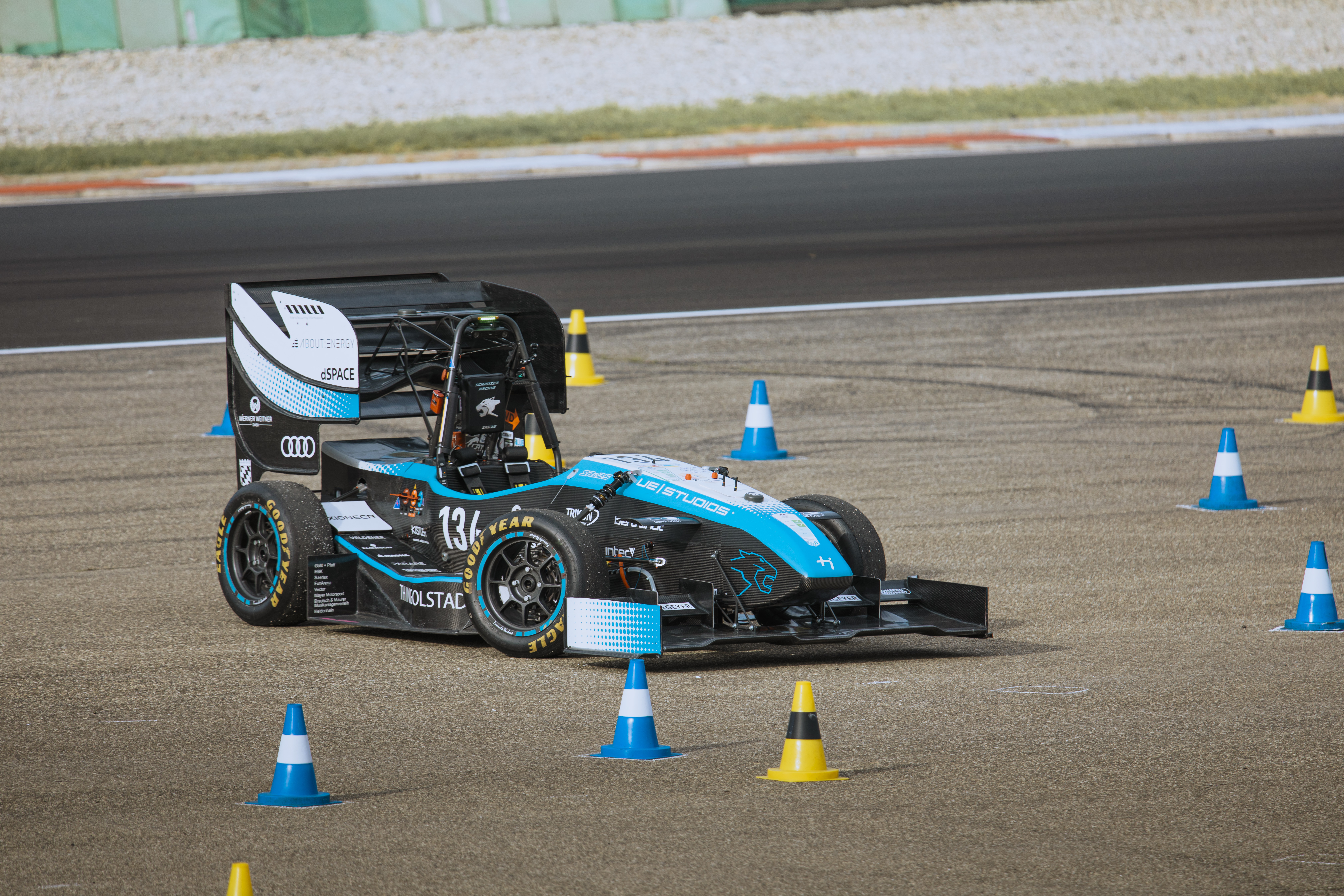
Responsibilities
- ROS 2 software integration for autonomous racing workflows
- localization, mapping, and cone-based environment representation
- deployment and testing on NVIDIA Jetson-based compute
- Dockerized development and runtime environments
- event support during inspection, testing, and judging
Competition Context
Formula Student events turn the software into a full systems problem: the car has to work with real sensors, real timing constraints, inspection procedures, changing track conditions, and short debugging windows.
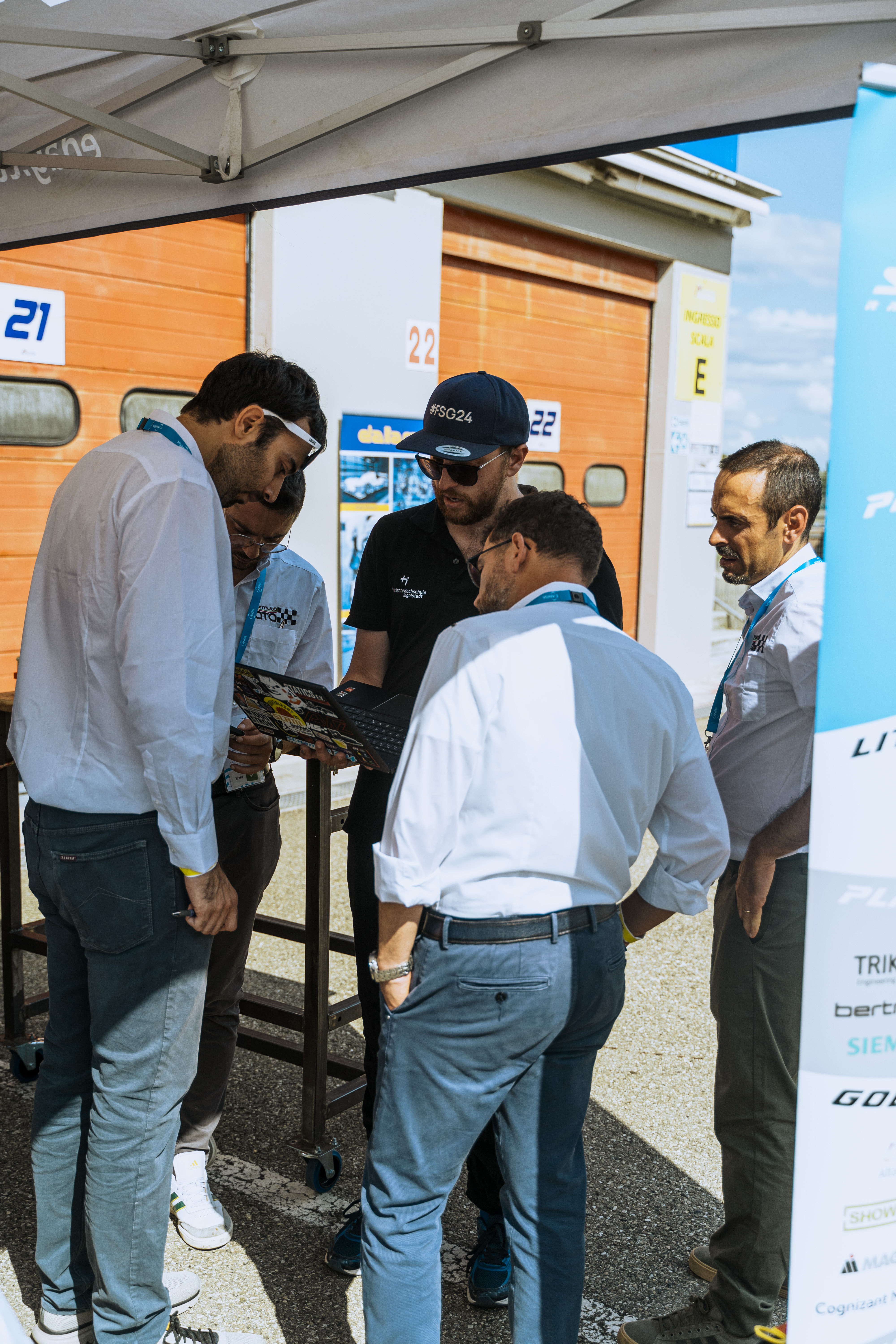
Testing
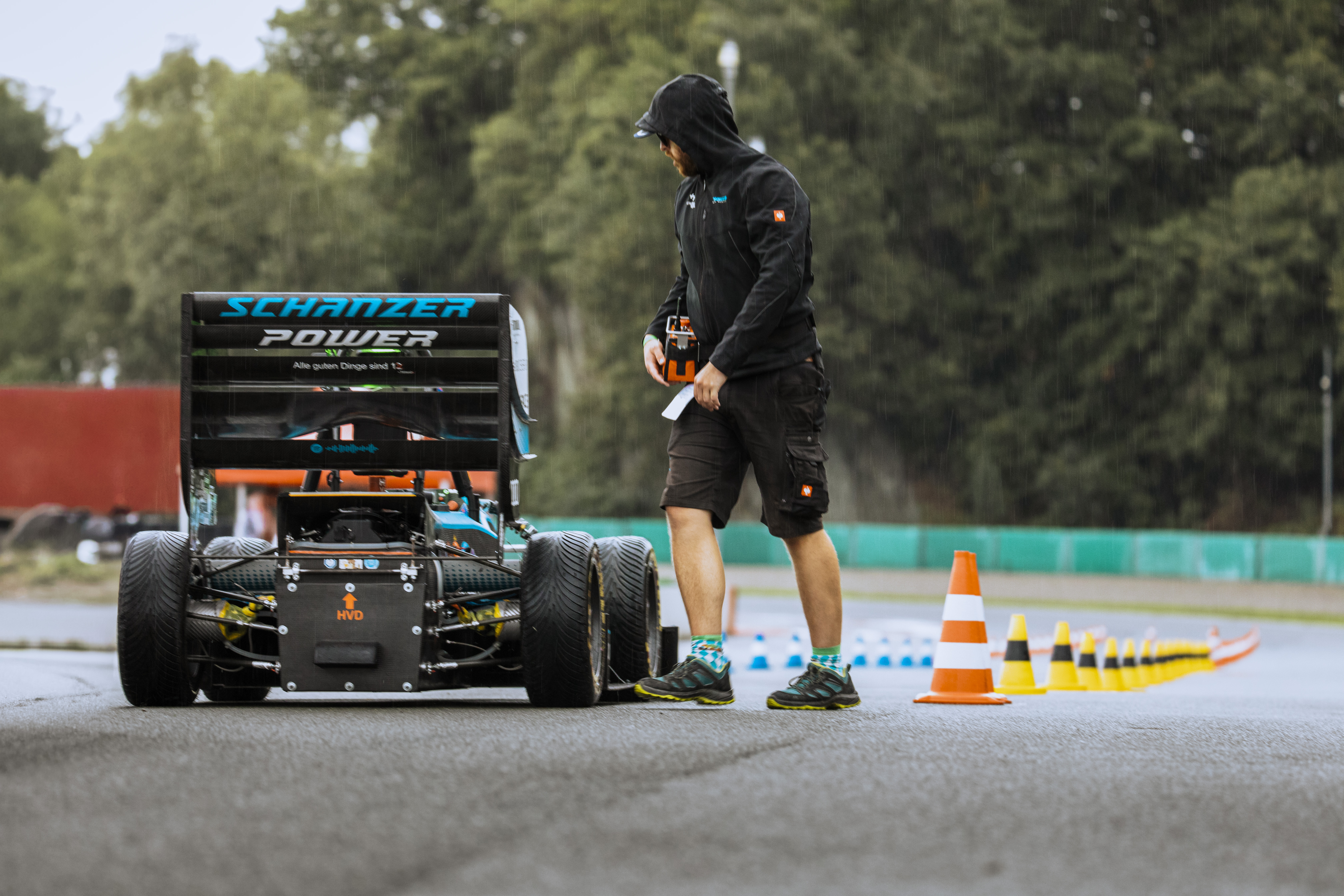
Track sessions are where the assumptions in simulation and log replay meet the actual vehicle. The software has to tolerate noisy detections, changing grip, sensor alignment issues, and practical operational constraints around staging and recovery.
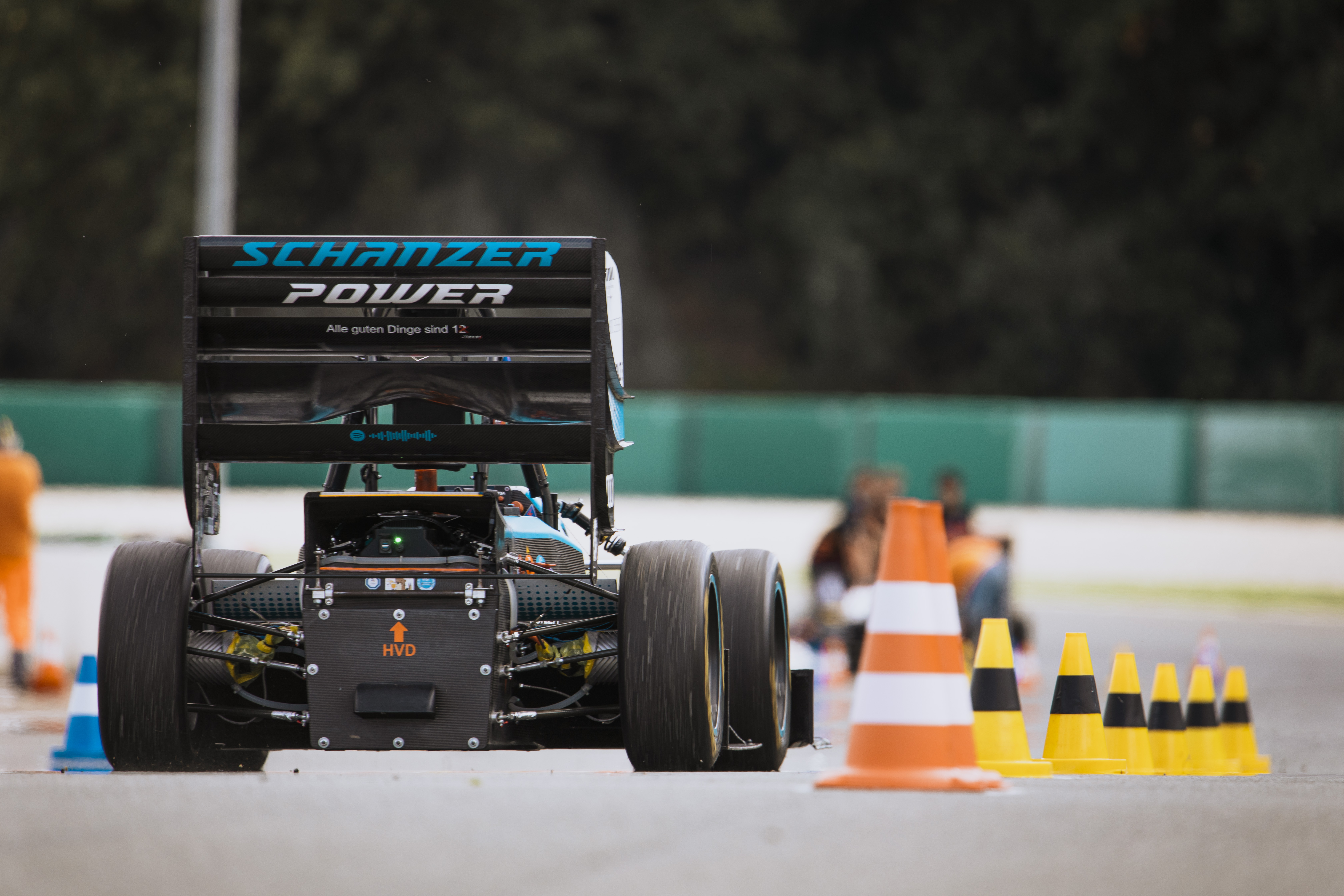
Technologies
ROS 2, C++, Python, NVIDIA Jetson, Docker, Linux, sensor integration, localization, mapping, and autonomous racing tooling.
Event Media